The Situation
Most portfolios aren't built — they accumulate. A fund bought here, a stock tip acted on there, a policy with an investment component added along the way.
The result is a collection of holdings with no shared strategy, no clear risk profile, and no way to tell whether the whole is actually working as hard as its parts.
How Mandar Thinks
Wealth compounds through time in the market, not timing of the market. The starting point for any investment conversation is your actual time horizon and risk capacity — not a return target picked because it sounds good.
Diversification isn't a disclaimer, it's the strategy. A portfolio concentrated in one country, one sector, or one manager's judgment carries risk that isn't being compensated for.
Quality over hype. We favor durable businesses and diversified structures over speculative or trend-driven positions, because the goal is a plan that still makes sense in a decade, not a quarter.
Where this fits in the bigger picture
Every plan follows the same five-stage framework. This solution primarily supports the highlighted stage below.
See
Map
Architect
Review
Transfer
The S.M.A.R.T. Wealth Framework™ is an educational planning framework and should not be regarded as financial advice.
Recommended Planning Areas
Asset Allocation
The mix of equities, bonds, cash, and alternatives that matches your actual risk capacity and time horizon.
Risk Management
Understanding what could go wrong before it does, and sizing positions so no single outcome derails the plan.
Diversification
Spreading exposure across geographies, sectors, and asset classes so no single holding decides the outcome.
Global Investing
Access to markets beyond Singapore, sized appropriately for currency and home-country bias.
Cost & Structure
Reviewing what you're actually paying in fees and whether the structure fits your tax position.
Rebalancing Discipline
A process for keeping the portfolio aligned to plan as markets move, rather than drifting with them.
Common Mistakes
- Chasing last year's best-performing fund instead of a strategy suited to your own time horizon.
- Holding a portfolio that's diversified in name only — many funds with heavy overlap in the same underlying holdings.
- Letting a portfolio drift with the market instead of periodically rebalancing back to plan.
- Ignoring currency exposure until a cross-border need (education, a second home, retirement abroad) makes it urgent.
- Treating an insurance policy's investment component as a substitute for an actual investment strategy.
How This Plays Out in Practice
Composite scenarios based on common client situations — not descriptions of actual clients, and not a guarantee of any outcome.
Consolidating a Decade of Ad Hoc Purchases
Situation
A mid-career professional had accumulated eleven different funds and individual stocks over ten years, bought at different times for different reasons.
Challenge
No one had ever looked at the whole picture — total allocation was unknown, and several holdings quietly overlapped in the same large-cap names.
Approach
Consolidated the analysis, identified the actual blended allocation, and rebuilt around a smaller number of diversified, lower-cost positions matched to a clearly stated risk profile.
Outcome
A portfolio the client could explain in one sentence, with overlap and unnecessary fees removed.
Planning Around a Concentrated Employer Stock Position
Situation
A senior executive held a large portion of net worth in employer stock accumulated through equity compensation.
Challenge
Strong emotional attachment to the position, plus tax considerations, made an immediate sale unappealing — but the concentration risk was real.
Approach
Built a multi-year diversification plan that balanced tax efficiency against concentration risk, rather than an all-or-nothing decision.
Outcome
A phased plan the client was comfortable executing, materially reducing single-stock risk over time.
Families Who've Been Here Before
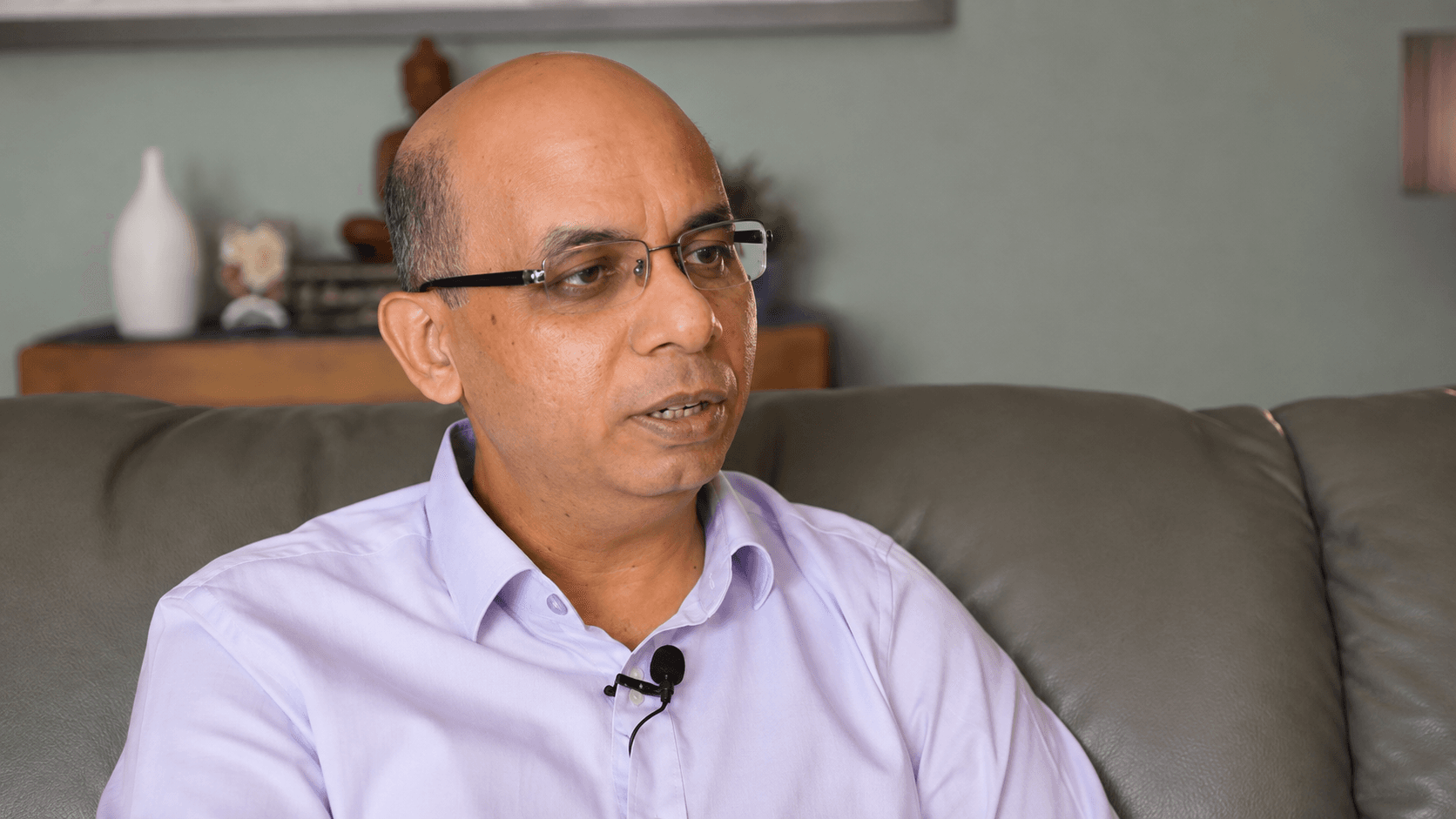
Sleep Over It, Not Sign Over It.
“Today, it's been six years that Mandar is our family's confidant, financial advisor, and a family friend.”
Shared with permission · Recorded 2020–2023
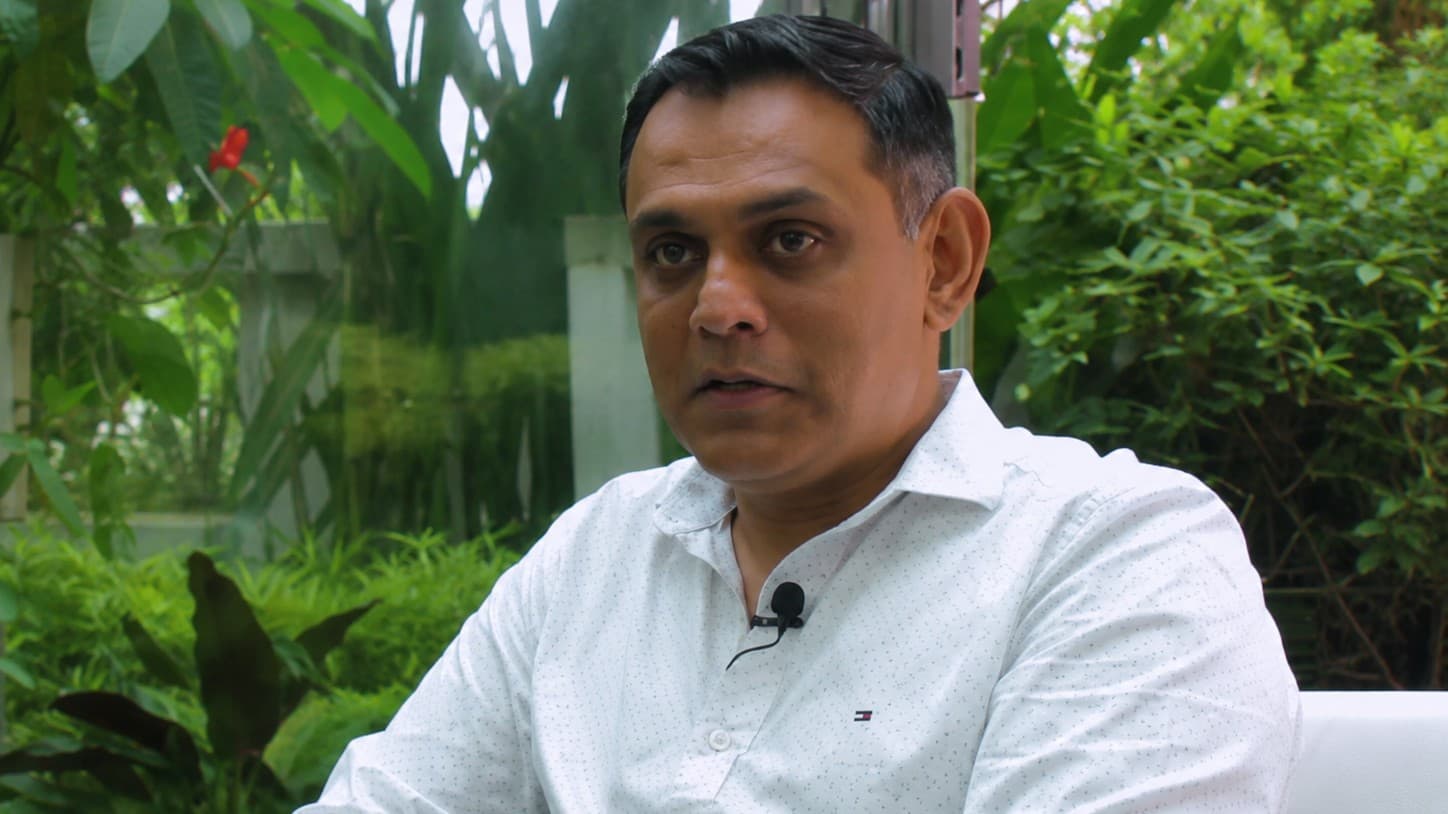
Staying in Control, Fully Protected.
“What I've really liked is you as an individual have gone out of your way to really identify my needs and come up with a solution which works for me.”
Shared with permission · Recorded 2020–2023
Common Questions
How much do I need to start investment planning with you?
Do you manage my money directly, or just advise?
How is this different from a robo-advisor?
Mandar is not a tax advisor. References to tax on this page are general in nature — please consult your own qualified tax advisor for advice specific to your situation.
Related Solutions
Portfolio Review
A structural review of your existing holdings — diversification, hidden risks, concentration, overlap, fees, and currency exposure.
Cross Border Wealth
Specialist cross-border wealth planning for NRIs and global investors navigating Singapore, India, currency, and multi-jurisdictional tax.
Retirement Planning
Structured retirement roadmaps that plan for inflation, longevity, and income — not just an accumulation target.