The Situation
Estate planning is the step families put off the longest — it requires thinking about mortality, and there's rarely urgency until an event forces the issue.
The cost of delay isn't abstract: unclear beneficiaries, outdated wills, and cross-border assets with no coordinated plan create real friction, cost, and family conflict at exactly the moment none of that is wanted.
How Mandar Thinks
Preserve is the Method's fifth step for a reason — it only makes sense once Protect and Build are already in place, but it shouldn't be left until the very end of a career either.
Cross-border families face a structural problem most local estate planning ignores: assets, heirs, and tax residency in different countries mean a single-jurisdiction will can create more complexity, not less.
Family governance — how decisions get made, not just who inherits what — is often the difference between a legacy that holds together and one that doesn't.
Where this fits in the bigger picture
Every plan follows the same five-stage framework. This solution primarily supports the highlighted stage below.
See
Map
Architect
Review
Transfer
The S.M.A.R.T. Wealth Framework™ is an educational planning framework and should not be regarded as financial advice.
Recommended Planning Areas
Wills
A current, legally sound will that reflects your actual wishes and family situation.
Trusts
Structures that control how and when assets transfer, particularly useful for minors, special needs, or staged inheritance.
Beneficiary Coordination
Ensuring insurance, CPF nominations, and account beneficiaries actually match your overall estate plan.
Estate Tax Awareness
Understanding exposure in jurisdictions that do levy estate or inheritance tax, including US estate tax exposure for US-situs assets.
Cross-Border Estate Planning
Coordinating wills and structures across multiple jurisdictions so they work together, not against each other.
Business Succession
A funded, documented plan for what happens to a business interest, not just personal assets.
Family Governance
A framework for how family decisions get made, reducing the odds of conflict during a difficult transition.
Common Mistakes
- Having no will, which leaves distribution to statutory default rules rather than actual intent.
- An outdated will that doesn't reflect a divorce, remarriage, new children, or a moved country.
- Beneficiary designations on insurance or accounts that contradict what the will says.
- Ignoring US estate tax exposure on US-situs assets (like US-listed stocks) held by non-US persons.
- No succession plan for a business, leaving a company's future dependent on an unplanned transition.
How This Plays Out in Practice
Composite scenarios based on common client situations — not descriptions of actual clients, and not a guarantee of any outcome.
Coordinating a Will Across Two Countries
Situation
A family held property and investments in both Singapore and India, with a single will drafted years earlier covering only Singapore assets.
Challenge
Without coordination, the India-based assets risked falling under default succession rules that didn't match the family's actual wishes.
Approach
Worked alongside legal counsel in both jurisdictions to structure coordinated wills that covered all assets without conflicting with each other.
Outcome
A cross-border estate plan the family understood and trusted, rather than a gap discovered too late.
Funding a Business Succession Plan
Situation
A business owner had an informal understanding with a successor but no funded, documented plan.
Challenge
Without funding, a forced sale or family dispute was a real risk if a transition happened unexpectedly.
Approach
Structured a funded succession plan combining a buy-sell agreement with insurance-backed liquidity.
Outcome
A business succession plan the owner's family and business partner could both rely on.
Families Who've Been Here Before
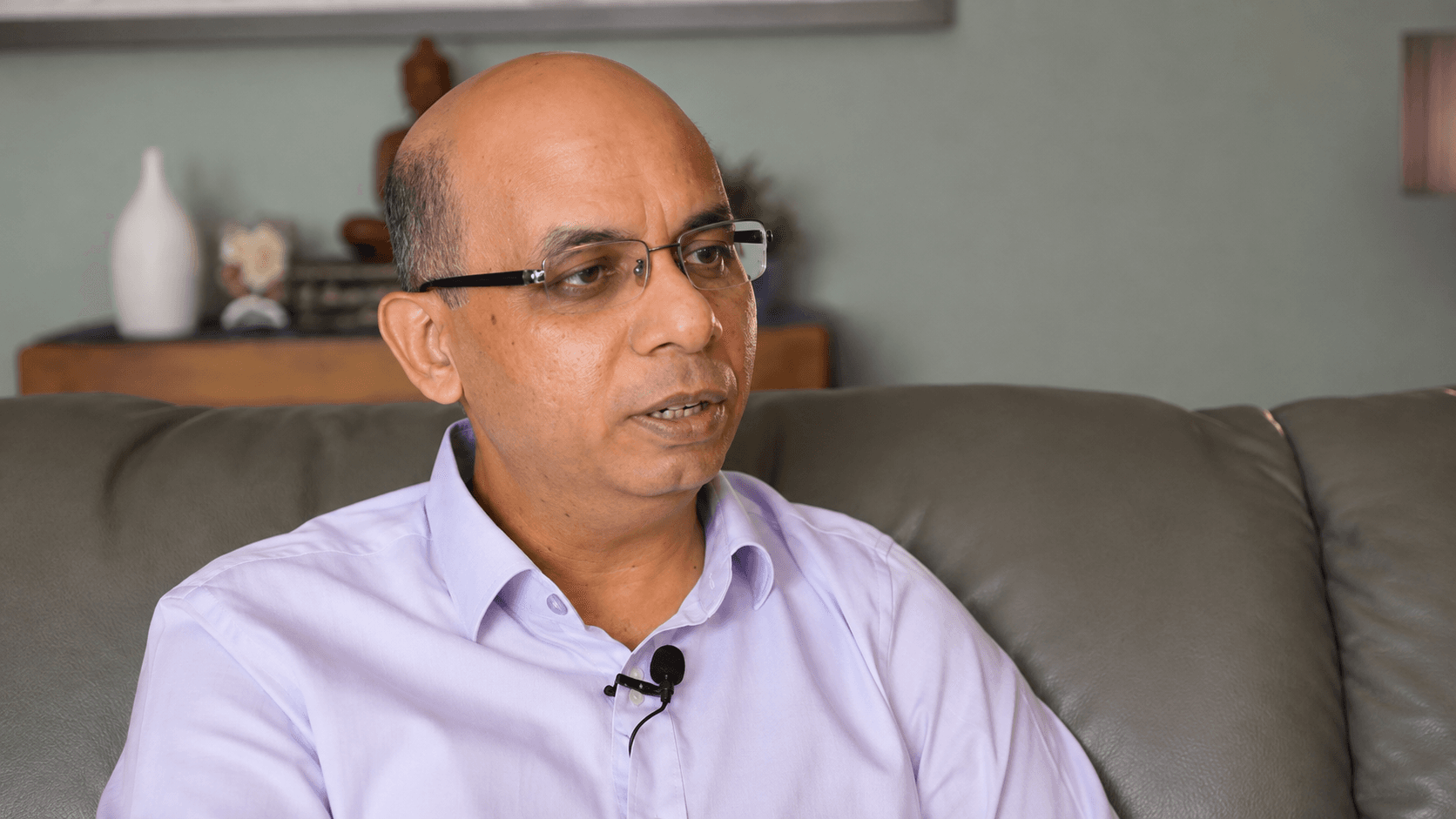
Sleep Over It, Not Sign Over It.
“Today, it's been six years that Mandar is our family's confidant, financial advisor, and a family friend.”
Shared with permission · Recorded 2020–2023
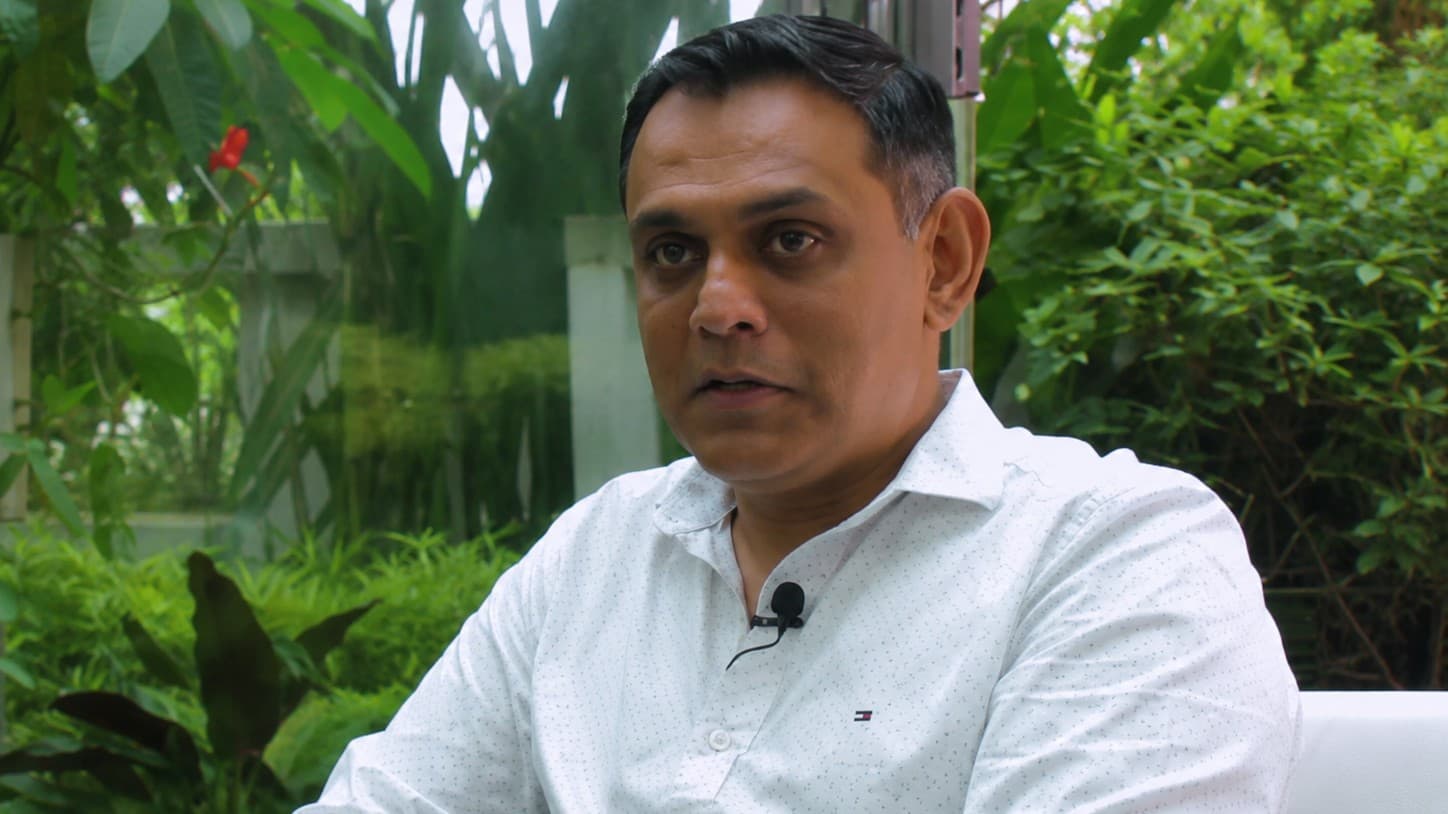
Staying in Control, Fully Protected.
“What I've really liked is you as an individual have gone out of your way to really identify my needs and come up with a solution which works for me.”
Shared with permission · Recorded 2020–2023
Common Questions
Do I need a will if my estate is simple?
Do I need to worry about US estate tax if I'm not American?
How does this connect to insurance?
Mandar is not a tax advisor. References to tax on this page are general in nature — please consult your own qualified tax advisor for advice specific to your situation.
Related Solutions
Cross Border Wealth
Specialist cross-border wealth planning for NRIs and global investors navigating Singapore, India, currency, and multi-jurisdictional tax.
Insurance Planning
Protection structured to cover the gap between what you have and what your family would need — before any growth conversation begins.
Retirement Planning
Structured retirement roadmaps that plan for inflation, longevity, and income — not just an accumulation target.